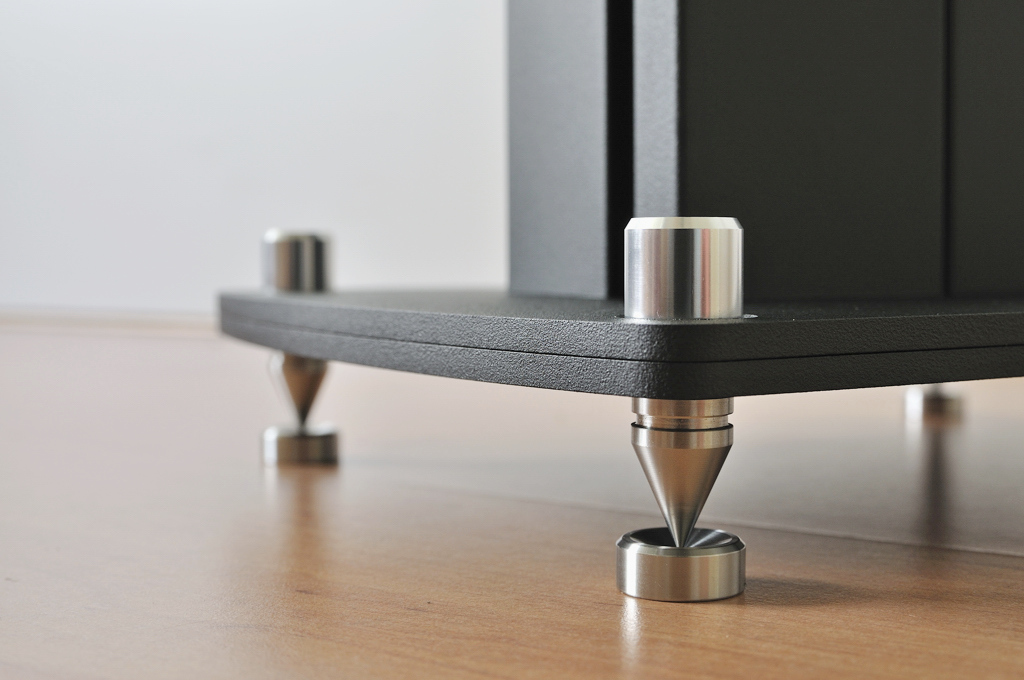
What Are Speaker Isolation Feet? A Complete Guide to How They Work and How to Choose the Right Ones
What Exactly Are Speaker Isolation Feet
Speaker isolation feet, sometimes called speaker spikes or isolation pads, are support accessories placed beneath speakers, speaker stands, turntables, or amplifiers. Their purpose goes beyond simply elevating equipment. Through specific materials and structural design, they isolate the vibration generated during operation from the floor or supporting surface, preventing that vibration from feeding back into the equipment and interfering with signal output and sound quality.
Why Audio Equipment Needs Vibration Isolation
It's easy to overlook that audio equipment is constantly experiencing micro-vibrations during operation. As a speaker driver pushes air to produce sound, the cabinet itself resonates. Turntable motors, amplifier transformers, and internal circuit boards also generate subtle vibrations as they run. When these vibrations travel through the equipment's housing into the supporting surface and reflect back, they can lower the signal-to-noise ratio and cause muddy bass or harsh treble. Isolation feet create a buffer layer along this vibration path, effectively reducing unwanted energy feedback.
Common Materials and Types of Isolation Feet
Isolation feet on the market generally fall into a few material categories. Wooden feet offer a warm, natural tone favored by listeners who prefer a softer sound signature. Carbon fiber feet are lightweight and highly rigid, often used with high-end source components. Stainless steel and alloy feet stand out for their high density and precise machining, delivering more consistent support and damping, making them one of the most discussed options for speakers and speaker stands. Beyond material, shape also matters, with spike-style feet offering a smaller contact point suited for precise directional placement, while flat pad-style feet provide broader, more stable support.
Key Factors When Choosing Isolation Feet
When selecting isolation feet, consider three main factors. First, material density and machining precision, since denser, more precisely machined feet tend to deliver more consistent isolation performance. Second, the balance between contact area and equipment weight, as heavy equipment paired with too small a contact surface can lead to stability issues over time. Third, the locking mechanism, such as M8 self-locking threads, which combines ease of installation with long-term stability, reducing the risk of loosening from movement or floor vibration.
The Practical Benefits of Installing Isolation Feet
After properly installing isolation feet, many users report the most noticeable improvement is tighter, more focused bass with less smearing. Spatial imaging also becomes clearer, making it easier to distinguish layers between instruments and vocals. Additionally, the overall sense of background noise tends to decrease, allowing finer details to emerge. While the degree of improvement varies by equipment and room, this remains one of the more accessible and reliably effective upgrades for audiophiles focused on sound quality.
Conclusion
Though compact in size, speaker isolation feet play a meaningful role in shaping the overall listening experience. By understanding how vibration isolation works, recognizing material differences, and choosing the right feet based on equipment weight and room conditions, listeners can achieve noticeably cleaner, studio-quality sound through a relatively simple upgrade.
Suggested Keywords: speaker isolation feet, speaker spikes, vibration isolation, stainless steel isolation feet, audio isolation pads, speaker vibration damping